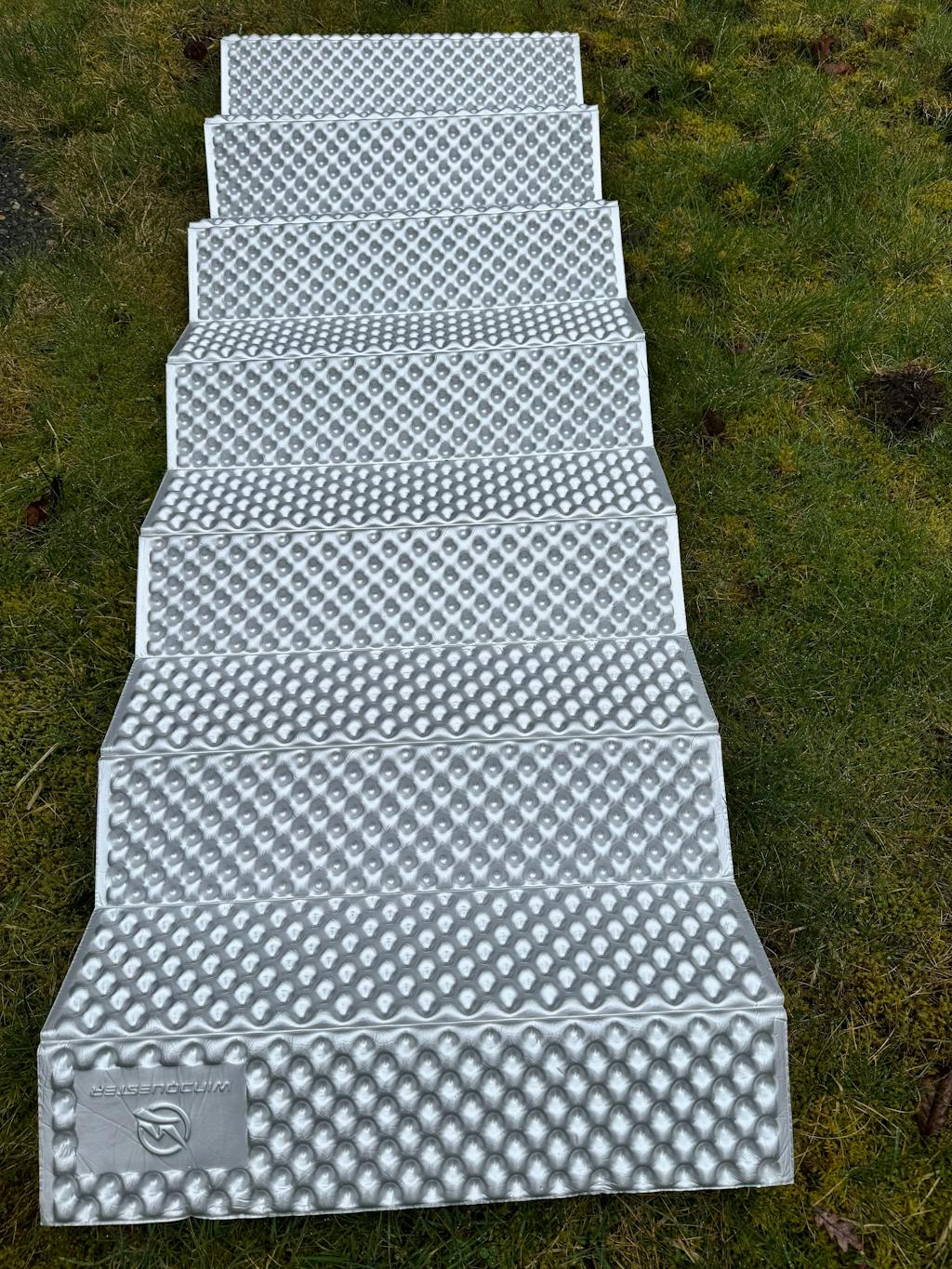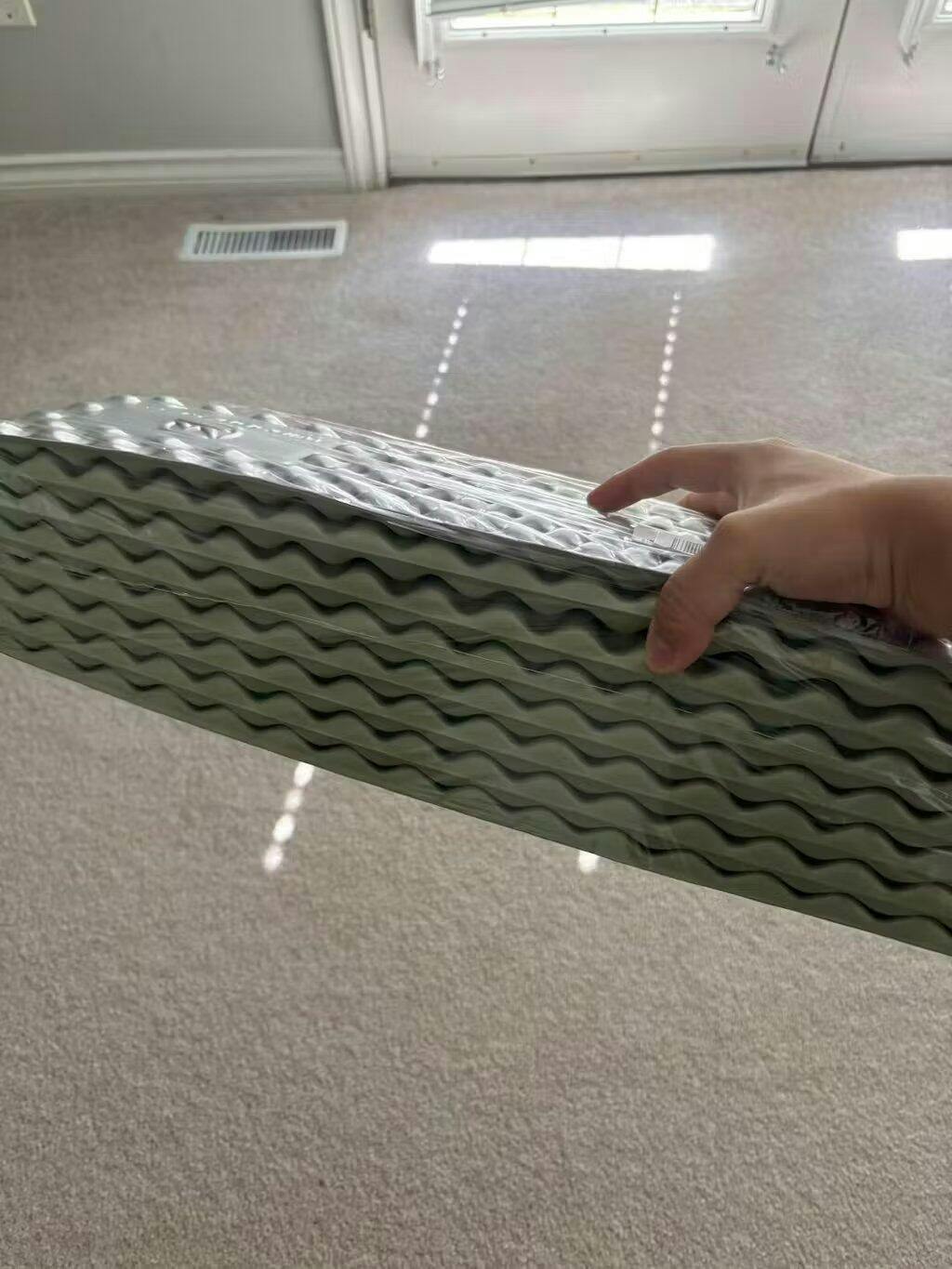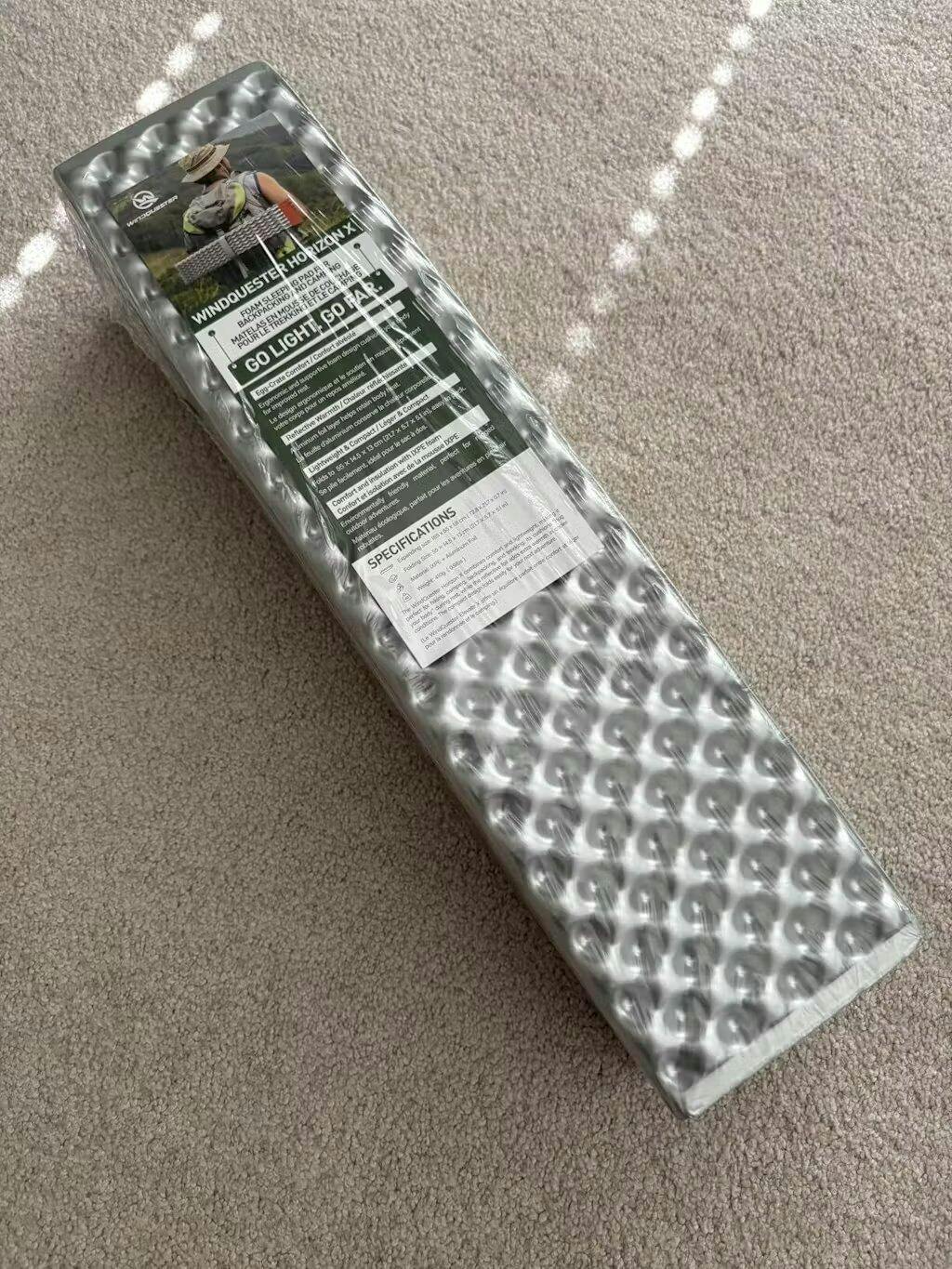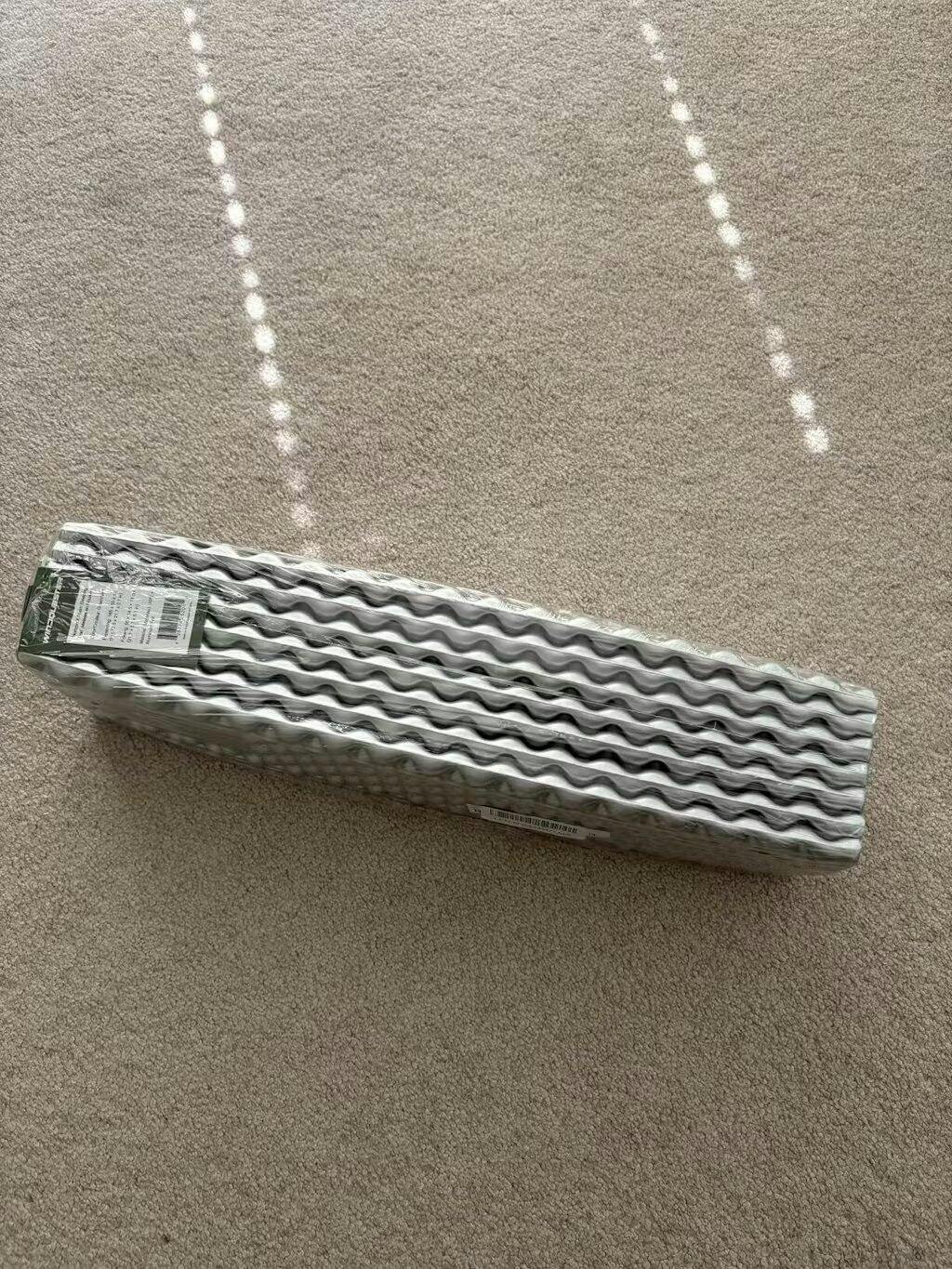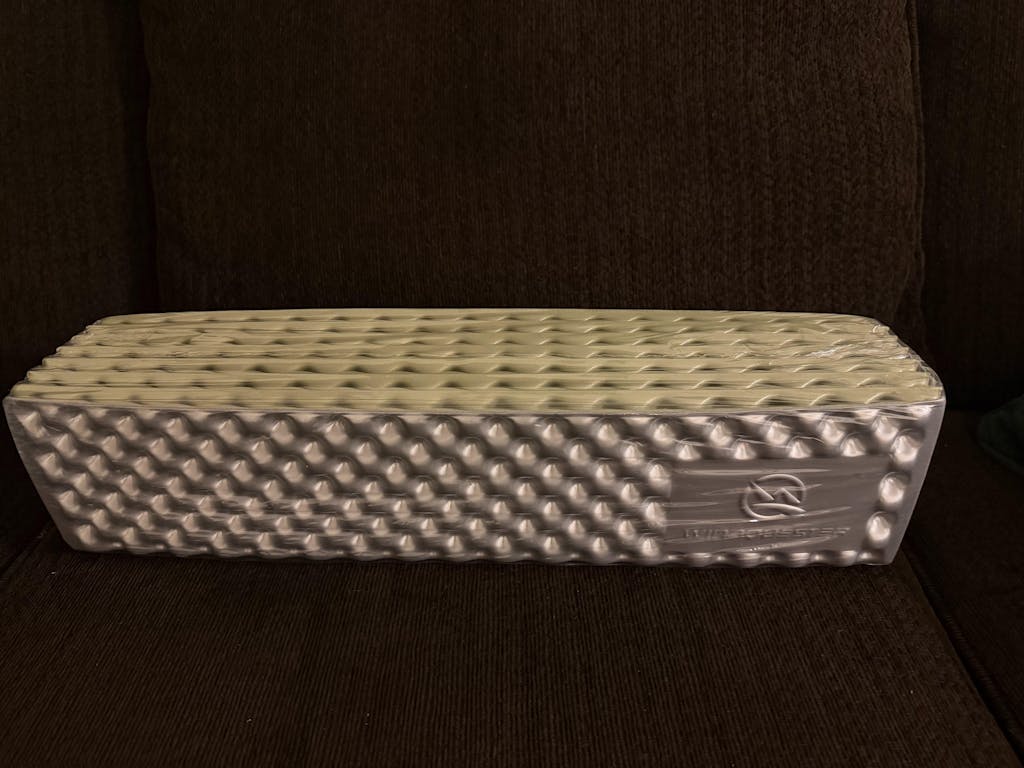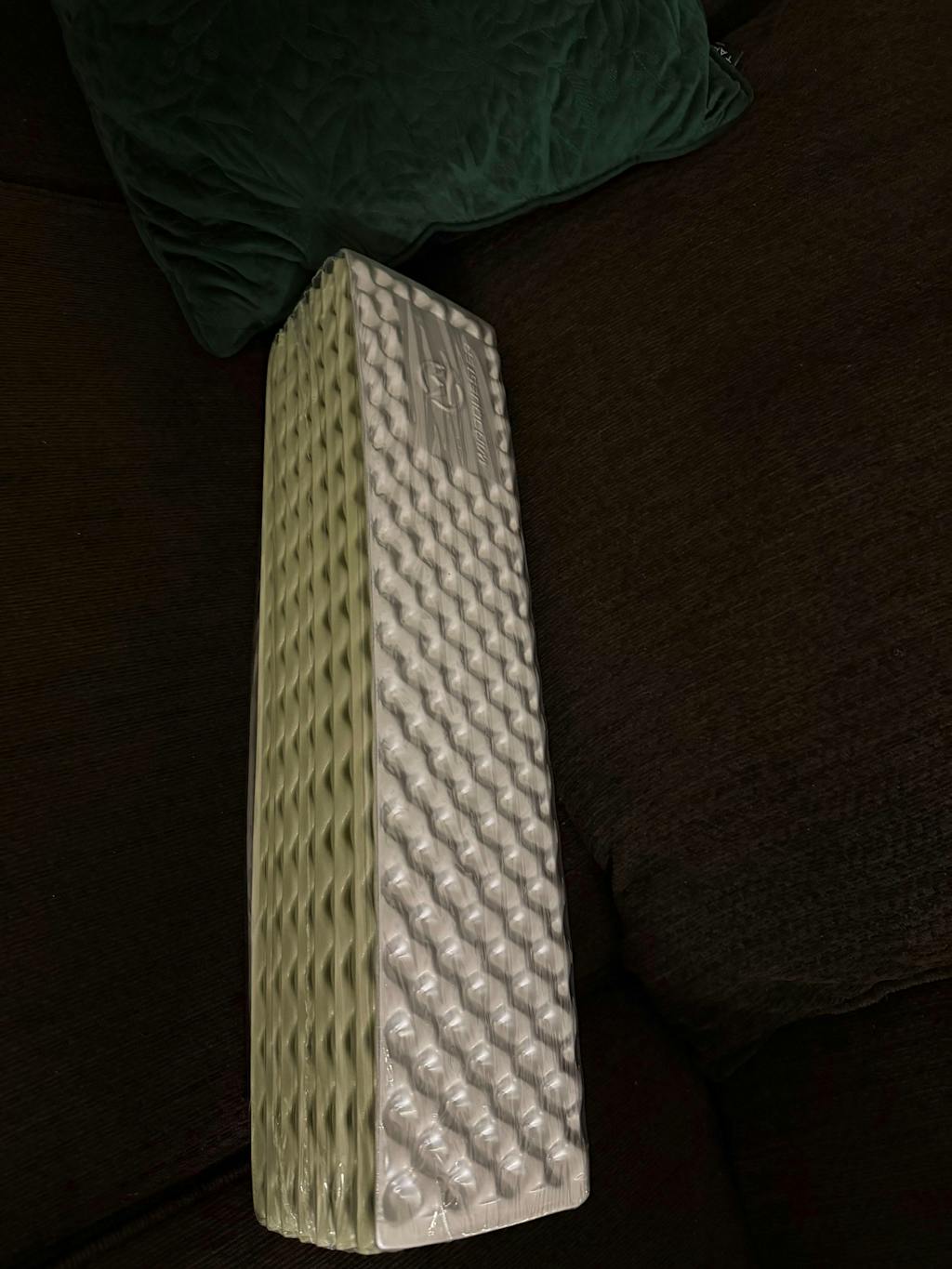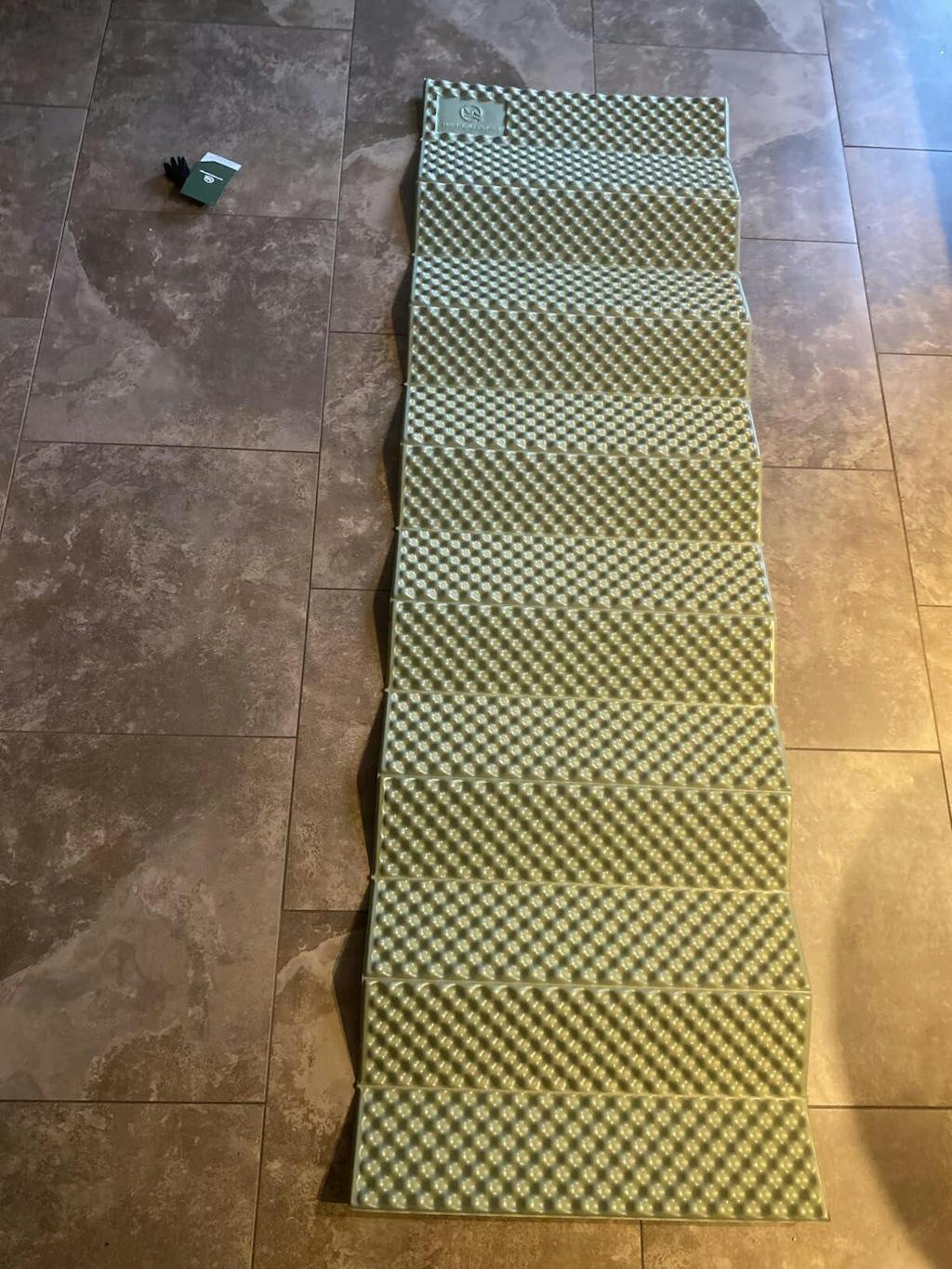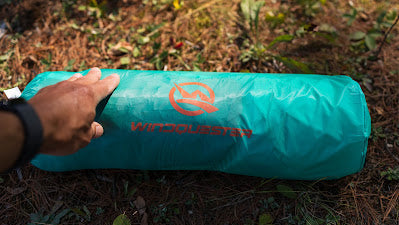



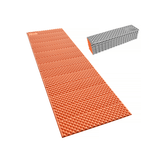
Weighs only 410 g (0.90 lb) and folds compact for easy carrying on or in your backpack.
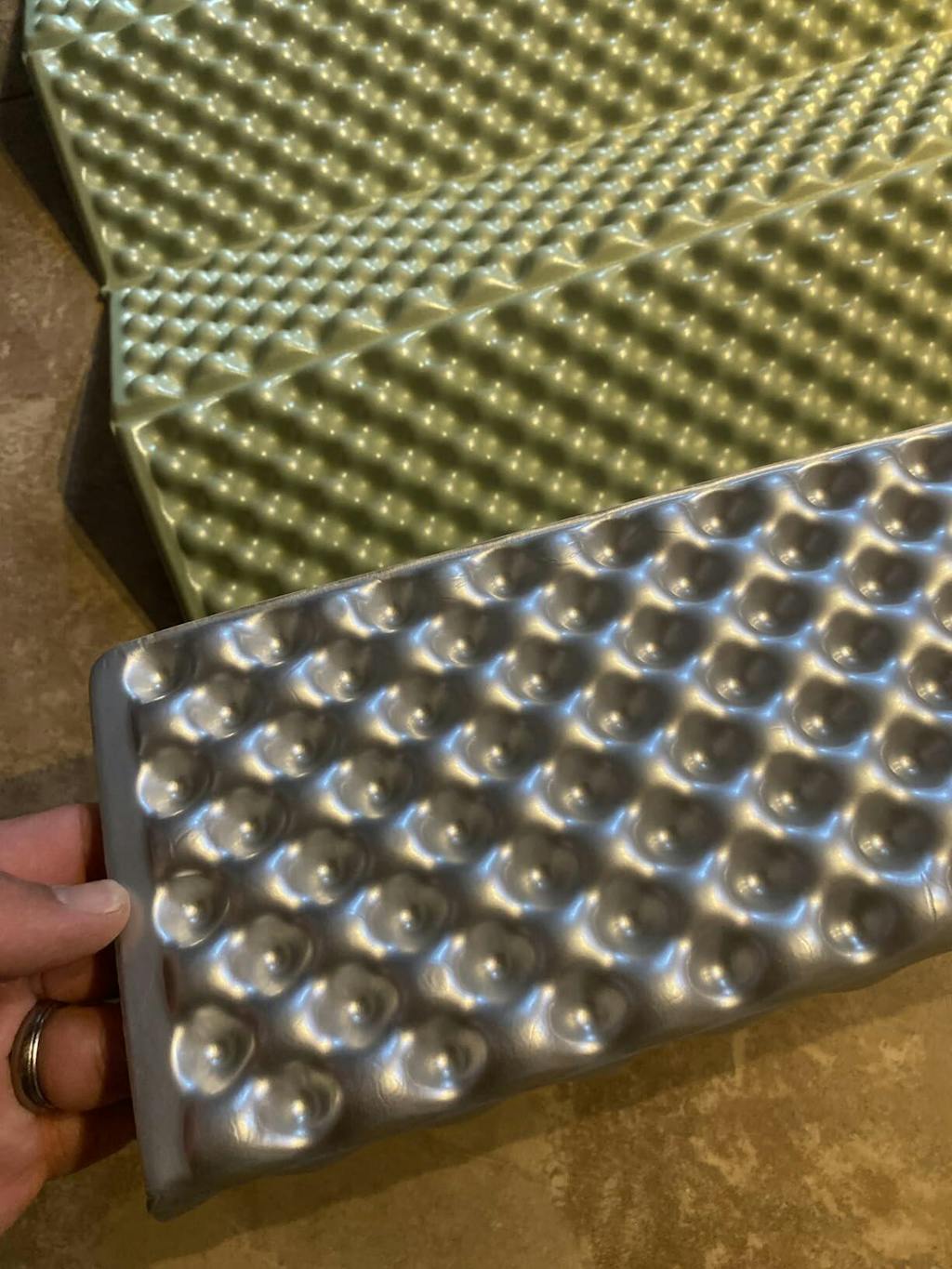
Made from high-quality IXPE foam with aluminum foil for moisture resistance and durability.


IXPE Closed-cell foam + aluminum foil
Yes—for spring, summer, and most fall trips.
With an ASTM R-value of 1.9, this pad provides reliable insulation from cold and damp ground, which is exactly what most 3-season campers need. It’s designed to block ground chill rather than create plush warmth.
For winter or snow camping, many users layer it with an inflatable pad for extra warmth and peace of mind.
It depends on your expectations and how you sleep.
Foam pads offer firm, even support rather than soft cushioning. Side sleepers or people who prefer a plush feel may lean toward inflatables. That said, many backpackers sleep comfortably on foam pads—especially once they get used to them.
On longer trips, the simplicity, reliability, and no-failure design often matter more than softness.
This is actually where foam pads perform best.
Closed-cell foam doesn’t absorb water, dries instantly, and keeps insulating even on damp ground. The structure and reflective layer help block moisture and reduce heat loss, so performance stays consistent in wet or rainy conditions.
For humid or unpredictable weather, foam pads are often the most dependable option.
For a full-length foam sleeping pad, 410 g is very reasonable.
Foam pads are usually carried on the outside of a backpack, so they don’t take up internal pack space. Many hikers find that, in practice, the weight feels less noticeable than inflatable pads that have to be packed inside.
What people really appreciate is the simplicity—you don’t need to worry about setup, air leaks, or performance changing over time.
Yes—and that’s one of the main reasons people choose foam pads.
They’re commonly used as a seat during breaks, a picnic or beach mat, extra insulation under a sleeping bag, or even emergency insulation in cold conditions. Because foam pads aren’t delicate, you can put them directly on rocks, dirt, or wet ground without worrying.
Many hikers bring a foam pad even on trips where they don’t plan to sleep on it—simply because it’s useful throughout the day.
It works—but it’s usually not the most comfortable option for car camping.
When you’re camping near your vehicle, weight and packed size matter less, so many people choose thicker inflatable or self-inflating pads for better comfort. Foam pads shine more as a base layer, backup option, or something to sit on during the day.
That said, a foam pad still adds value by improving ground insulation and protecting more delicate pads underneath.
It depends on what you care about most.
If you value simplicity, durability, and not having to worry about leaks or setup, a foam pad is a stress-free place to start. If comfort is your top priority and you don’t mind a bit more setup and care, an inflatable pad may feel nicer at night.
Many experienced campers start with foam pads to learn what they really need, then add or upgrade to inflatables over time.

Born from alpine innovation, we bring mountaineers' ultralight gear to backpackers & bikepackers. Go lighter, faster, further.